Because methylene blue’s proposed benefits center on subjective domains like focus, energy, and mood, along with less visible mitochondrial-level mechanisms, tracking results in a structured way is more useful here than with compounds that produce an obvious, undeniable effect. Without some system for tracking, it is easy to fall into confirmation bias in either direction.
This article outlines a practical framework for monitoring both safety and any perceived benefit, recognizing that self-tracking has real limitations compared to a controlled trial.
Key Takeaways
- A useful tracking approach separates safety monitoring, which is non-negotiable, from benefit tracking, which is more exploratory and subjective.
- Simple, consistent self-report scales for energy, focus, and mood, logged at the same time each day, reduce recall bias compared to relying on memory alone.
- Physical signs to track include urine and stool color, any unusual skin discoloration, and any signs of serotonin syndrome or methemoglobinemia, which should prompt immediate medical attention rather than continued tracking.
- Because there is no placebo control in personal self-tracking, results should be interpreted cautiously and not treated as equivalent to clinical trial evidence.
Safety Tracking Comes First
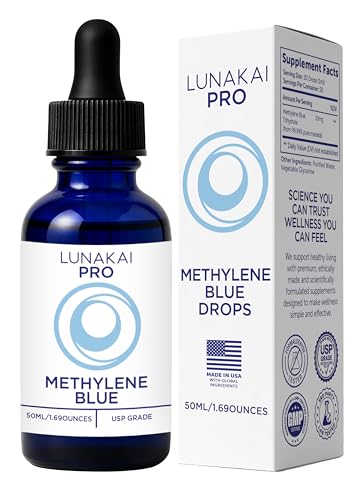
Before tracking any perceived benefit, a log should capture safety-relevant information: exact product used, its labeled concentration and grade, exact dose and timing, and any physical signs noticed, particularly urine or stool color changes, skin discoloration, or any symptoms that could indicate serotonin syndrome (agitation, rapid heart rate, high fever, muscle rigidity) or methemoglobinemia (unusual fatigue, shortness of breath, bluish skin beyond the expected mild tinge). Any of these safety-relevant symptoms should prompt stopping and seeking medical attention immediately, not simply being logged for later review.
Setting Up a Simple Benefit-Tracking System
For the subjective domains people are usually most curious about, a simple 1-to-10 self-rating scale for focus, mental clarity, energy, and mood, logged at a consistent time each day (for example, mid-afternoon, a few hours after a typical dose), provides more useful signal over time than relying on vague overall impressions. Recording this in a spreadsheet or simple notebook alongside sleep quality and caffeine intake from the same day helps account for common confounding factors.
Accounting for Confounders
Sleep quality, stress levels, caffeine and alcohol intake, and even the novelty of starting something new can all independently affect focus and mood ratings, entirely apart from methylene blue itself. A useful tracking system notes these factors alongside the primary ratings so that patterns can be interpreted with appropriate skepticism, particularly in the first one to two weeks when novelty effects are strongest.

Why Self-Tracking Has Real Limits
Self-tracking, however careful, lacks the blinding and placebo control of a formal trial, and methylene blue’s distinctive taste and urine discoloration make true self-blinding essentially impossible. This means self-tracked improvements should be interpreted as personally useful information for an individual’s own decision-making, not as evidence that would generalize to other people or substitute for controlled trial data.
When to Stop Tracking and Seek Care Instead
If tracking reveals any of the serotonin syndrome or methemoglobinemia warning signs described above, or any other symptom that feels medically concerning, the correct response is to stop use and contact a physician immediately, not to continue logging data points to see if the pattern resolves on its own.
As an Amazon Associate and affiliate partner, this site earns from qualifying purchases linked in this article. This does not change the price you pay and does not influence the safety information below.
Frequently Asked Questions
What should I track first when starting methylene blue?
Safety-relevant details first: product concentration and grade, exact dose and timing, and any physical signs like urine or stool color changes or symptoms suggesting serotonin syndrome or methemoglobinemia.

How do I track subjective benefits like focus or mood?
A simple daily 1-to-10 rating for focus, energy, and mood, logged at a consistent time, alongside notes on sleep and caffeine intake, gives more useful signal than relying on general impressions.
Can self-tracking replace a clinical trial?
No. Self-tracking lacks blinding and placebo control, and methylene blue’s distinctive taste and urine color make true blinding essentially impossible, so results should be treated as personally informative rather than generalizable evidence.
What symptoms mean I should stop tracking and get medical help?
Agitation, high fever, muscle rigidity, or rapid heart rate could indicate serotonin syndrome; unusual fatigue, shortness of breath, or unusual bluish skin could indicate methemoglobinemia. Either warrants immediate medical attention, not continued self-monitoring.
How long should I track before deciding if it’s working?
There is no validated standard duration, but tracking across at least two to three weeks, while accounting for novelty effects in the first week or two, gives a more balanced picture than judging from the first few days alone.
These statements have not been evaluated by the Food and Drug Administration. This information is not intended to diagnose, treat, cure, or prevent any disease. Content is for informational purposes only and is not medical advice; consult a qualified healthcare provider before starting any supplement. As an Amazon Associate we earn from qualifying purchases.