Understanding methylene blue’s full side effect profile means separating expected, benign effects from genuinely serious risks that require medical attention. Because methylene blue is a pharmaceutical compound with a documented FDA-approved use, its side effect profile is better characterized than most supplements.
This article organizes side effects by severity, from cosmetic and expected to rare and dangerous.
Key Takeaways
- Blue-green discoloration of urine and, less commonly, skin is an expected, benign side effect of methylene blue and not a sign of harm.
- Mild nausea, headache, and dizziness are the most commonly reported tolerability issues, particularly at higher doses.
- Serotonin syndrome, triggered by combining methylene blue with serotonergic medications, is the most serious documented risk and constitutes a medical emergency.
- Methemoglobinemia, ironically the condition methylene blue is approved to treat, is a documented overdose effect: the FDA label reports mild methemoglobinemia (up to 7%) after cumulative doses of 7 mg/kg or more, with hypotension, wheezing and reduced oxygenation reported from single doses of 3 mg/kg or more[1].
Expected, Benign Effects
Blue-green discoloration of urine, and less commonly a bluish tinge to skin or sclera, is a well-documented and harmless effect of methylene blue that resolves after the compound clears the body. This can be alarming to first-time users who are not warned about it in advance, but it does not indicate toxicity.
Common Tolerability Issues
Mild nausea, headache, dizziness, and a metallic or bitter taste are the most frequently reported side effects, generally more common at higher doses or when taken on an empty stomach. These are typically manageable by adjusting dose, timing relative to food, or formulation, and are not medical emergencies on their own.
Serotonin Syndrome: The Most Serious Documented Risk
Serotonin syndrome is a potentially life-threatening reaction that can occur when methylene blue, a potent MAO inhibitor, is combined with serotonergic medications including SSRIs, SNRIs, tricyclic antidepressants, tramadol, and certain migraine drugs. Symptoms include agitation, high fever, rapid heart rate, muscle rigidity, and in severe cases seizures. This is an FDA-documented warning and requires emergency medical attention if suspected.

Paradoxical Methemoglobinemia at High Doses
Methylene blue is FDA-approved to treat methemoglobinemia at 1 mg/kg intravenously, and the label states plainly that lower or greater doses are not recommended. At overdose levels the effect inverts, but it does so on a ladder rather than at a single cliff edge: hypotension, wheezing and reduced oxygenation have been reported after single doses of 3 mg/kg or more; cumulative doses of 7 mg/kg or more have produced a broad toxic picture including nausea, vomiting, chest tightness, tachycardia, tremor, confusion, ECG changes and mild methemoglobinemia (up to 7%); and a single dose of 20 mg/kg or more has caused severe intravascular hemolysis, hyperbilirubinemia and death[1].
A 4 mg/kg figure is widely repeated as the point at which methylene blue starts causing methemoglobinemia. That binding is wrong, and it is worth correcting rather than simply raising. The figure comes from UK National Poisons Information Service guidance, adopted by clinicians after a case of methylene blue toxicity at 7.5 mg/kg that presented as expressive aphasia, confusion and disinhibition — and in which methaemoglobinaemia was specifically excluded as the cause[2]. The 4 mg/kg cap is a limit on neurologic and serotonergic toxicity. Both ceilings are real, and the lower one binds first, which is the practical reason not to self-titrate methylene blue or take it in escalating doses without clinical guidance.
G6PD Deficiency: An Absolute Contraindication
In individuals with G6PD (glucose-6-phosphate dehydrogenase) deficiency, methylene blue does not act as intended and instead triggers severe hemolytic anemia. This is an absolute contraindication, not a relative caution, and G6PD status should be confirmed before use, particularly in populations with higher prevalence of this genetic condition.
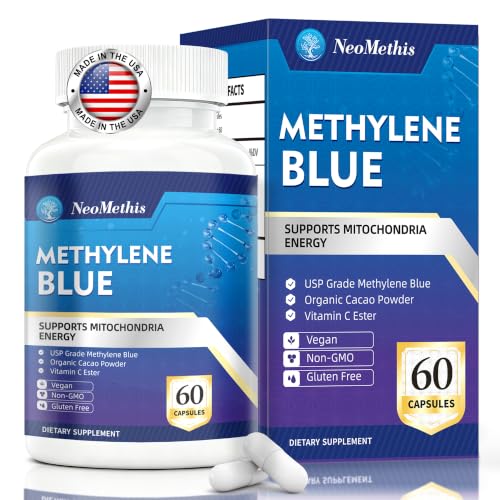
As an Amazon Associate and affiliate partner, this site earns from qualifying purchases linked in this article. This does not change the price you pay and does not influence the safety information below.

Frequently Asked Questions
Is blue or green urine from methylene blue dangerous?
No, this is an expected and benign effect that resolves once the compound clears the body. It is not a sign of toxicity.
What are the most common methylene blue side effects?
Mild nausea, headache, dizziness, and a metallic taste are the most commonly reported tolerability issues, particularly at higher doses.
What is the most dangerous methylene blue side effect?
Serotonin syndrome, triggered by combining methylene blue with serotonergic medications, is the most serious documented risk and requires emergency medical attention if suspected.
Can methylene blue cause the condition it treats?
Yes, at overdose levels. The FDA label documents mild methemoglobinemia (up to 7%) after cumulative doses of 7 mg/kg or more, and reports hypotension, wheezing and reduced oxygenation from single doses of 3 mg/kg or more. The approved treatment dose is 1 mg/kg, so the margin is narrower than the commonly quoted figures suggest, which is why dosing precision matters.
Who should never take methylene blue?
People with G6PD deficiency should never take methylene blue, as it triggers severe hemolytic anemia in this population rather than functioning as intended.
References
- U.S. Food and Drug Administration. PROVAYBLUE (methylene blue) injection – full prescribing information, Section 10 OVERDOSAGE and Section 2 DOSAGE AND ADMINISTRATION. FDA prescribing information (2024). FDA label (PDF)
- Martindale SJ, Stedeford JC. Methylene blue toxicity following infusion to localize parathyroid adenoma. The Journal of Laryngology and Otology (2006). PMID 16359577
These statements have not been evaluated by the Food and Drug Administration. This information is not intended to diagnose, treat, cure, or prevent any disease. Content is for informational purposes only and is not medical advice; consult a qualified healthcare provider before starting any supplement. As an Amazon Associate we earn from qualifying purchases.