Methylene blue’s neuroprotective properties show up throughout its research history, most often discussed alongside Parkinson’s, stroke, and Alzheimer’s. A more specific and separately studied application is traumatic brain injury (TBI), where preclinical work in rodent models has looked at whether methylene blue given shortly after an impact can reduce the cascade of secondary damage that follows the initial injury. This research is still entirely preclinical, but it is detailed enough to be worth understanding on its own terms.
Key Takeaways
- In a mouse model of controlled cortical impact TBI, methylene blue reduced lesion volume and improved outcomes by promoting autophagy and inhibiting microglial activation, two distinct cellular mechanisms.
- Separate mouse research found methylene blue given after TBI reduced neuroinflammation and blunted the acute depressive-like behavior that commonly follows brain injury in these models.
- The proposed mechanism centers on methylene blue acting as an alternative electron carrier in the mitochondrial electron transport chain, helping preserve ATP production when injury disrupts normal mitochondrial function.
- All of the TBI-specific evidence to date comes from rodent models with controlled, standardized impacts, not human trials, and injury timing, dosing, and administration route differ meaningfully between studies.
- No methylene blue product is approved or clinically indicated for treating TBI in humans; this is an active preclinical research area, not an established treatment.
What Happens After a Traumatic Brain Injury (and Why It’s a Two-Stage Problem)
TBI causes damage in two phases. The primary injury is the direct mechanical impact itself, immediate and largely unmodifiable by anything given afterward. The secondary injury unfolds over the following hours and days, driven by mitochondrial dysfunction, oxidative stress, neuroinflammation, and disrupted blood flow, and it is this secondary cascade that most neuroprotective research, including work on methylene blue, is aimed at limiting. The therapeutic window for intervening in secondary injury is a central reason researchers have looked at fast-acting compounds with known effects on mitochondrial function and inflammation.
What the Controlled Cortical Impact Studies Found
One study used a mouse model of controlled cortical impact, a standardized way of producing a consistent, reproducible brain injury for research purposes, to test methylene blue’s effect on outcomes. Methylene blue treatment reduced lesion volume and was associated with two distinct cellular changes: increased autophagy (the cell’s internal process for clearing damaged components) and reduced activation of microglia, the brain’s resident immune cells that can worsen tissue damage when they become chronically activated after injury[1]. This dual mechanism, autophagy promotion alongside inflammation suppression, is notable because it suggests methylene blue may be acting on more than one arm of the secondary injury cascade simultaneously.

A separate mouse study focused on a different but related outcome: the neuroinflammation and acute depressive-like behavior that commonly follows TBI in rodent models, a pattern that mirrors the mood and cognitive symptoms reported by human TBI patients. Methylene blue given after injury attenuated both the neuroinflammatory markers and the depressive-like behavioral changes measured in these mice[2]. Other rodent work using intravenous methylene blue after brain trauma has reported reduced motor deficits, decreased blood-brain barrier disruption, and lower expression of S100 protein, a marker associated with brain tissue damage, with effects observed even when treatment was somewhat delayed after the initial injury.
The Proposed Mechanism: Mitochondrial Electron Transport Support
The mechanistic thread connecting methylene blue’s TBI research to its other proposed neuroprotective effects is mitochondrial. Traumatic brain injury disrupts the normal flow of electrons through the mitochondrial electron transport chain, reducing the brain’s ability to produce ATP at a time when energy demand for repair is elevated. Methylene blue can act as an alternative electron carrier, potentially bypassing points of dysfunction in the electron transport chain and helping sustain ATP production under these compromised conditions. This is the same general mechanism proposed for methylene blue’s effects in other models of cerebral ischemia and neurodegeneration, applied here to the specific injury pattern of trauma.
Why This Is Preclinical Evidence, Not a Human Treatment Protocol
Every study cited above was conducted in rodents using controlled, standardized injury models, methods that let researchers isolate specific mechanisms and outcomes but that do not capture the variability of real-world human TBI, which ranges from mild concussion to severe, diffuse injury with widely different causes and presentations. Dosing, timing after injury, and route of administration (often intravenous in these studies) also differ from how methylene blue is typically used in the supplement and nootropic space. No clinical trial has tested methylene blue as a treatment for human TBI, and no regulatory body has approved it for this use. Researchers researching methylene blue and TBI, including recent reviews of the broader mitochondrial neuroprotection literature, consistently frame this as a promising research direction that has not yet been validated in humans, not as an established or recommended intervention.
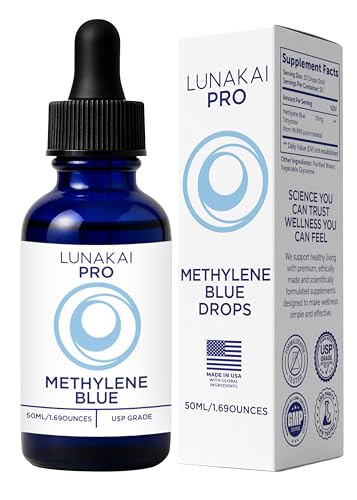
As an Amazon Associate and affiliate partner, this site earns from qualifying purchases linked in this article. This does not change the price you pay and does not influence the research summary above.


Frequently Asked Questions
Has methylene blue been tested in human TBI patients?
No. The evidence described in this article comes entirely from rodent models of TBI. No human clinical trial has established methylene blue as a treatment for traumatic brain injury.
How might methylene blue help after a brain injury, mechanistically?
Researchers propose it can act as an alternative electron carrier in the mitochondrial electron transport chain, helping preserve energy production when injury disrupts normal mitochondrial function, alongside effects on autophagy and microglial activation observed in animal studies.
Does this mean people should take methylene blue after a concussion or head injury?
No. This is preclinical research using controlled injury models, specific dosing, and often intravenous administration, none of which translates directly into a self-treatment protocol for humans. Any head injury should be evaluated by a medical professional.
Is TBI neuroprotection the same research as methylene blue’s Alzheimer’s or stroke research?
They share an underlying mitochondrial mechanism, but TBI research specifically studies the secondary injury cascade that follows a mechanical impact, which is a distinct injury pattern from the neurodegenerative processes studied in Alzheimer’s and ischemic stroke research.
References
- Methylene blue exerts a neuroprotective effect against traumatic brain injury by promoting autophagy and inhibiting microglial activation. PMID 26572258
- Methylene blue attenuates traumatic brain injury-associated neuroinflammation and acute depressive-like behavior in mice. PMID 25070744
These statements have not been evaluated by the Food and Drug Administration. This information is not intended to diagnose, treat, cure, or prevent any disease. Content is for informational purposes only and is not medical advice; consult a qualified healthcare provider before starting any supplement. As an Amazon Associate we earn from qualifying purchases.