Methylene blue (methylthioninium chloride) is a century-old pharmaceutical dye with a growing reputation in biohacker and longevity circles for its proposed effects on mitochondrial function and cognitive performance. Unlike most nootropic supplements, it carries a well-characterized pharmacology built on decades of clinical use — primarily for treating methemoglobinemia and, in intensive-care settings, vasodilatory shock. That clinical history means its side-effect profile is unusually well-documented compared with most compounds in this space.
Understanding methylene blue side effects requires paying close attention to dose, because this compound behaves very differently at low versus high levels — and crossing certain thresholds can transform a purported benefit into a serious medical risk. This article walks through what the evidence and established pharmacology say about what to expect at each dose range, who should never use it, and what warning signs demand immediate medical attention.
Key Takeaways
- Blue urine and mild gastrointestinal discomfort are expected and typically harmless at low doses; at overdose levels methylene blue paradoxically causes the methemoglobinemia it is approved to treat, which the FDA label documents at cumulative doses of 7 mg/kg or more[1].
- Methylene blue is a potent MAO-A inhibitor; combining it with SSRIs, SNRIs, tramadol, linezolid, or other serotonergic agents risks life-threatening serotonin syndrome — this is an FDA-documented safety concern.
- G6PD deficiency is an absolute contraindication at any dose; methylene blue triggers severe hemolytic anemia in affected individuals, and many people do not know their G6PD status.
- There is no single sharp cliff: the FDA documents a ladder of harms starting at 3 mg/kg, and individual factors including genetics, body composition, and co-medications influence where any given person sits on it[1].
- Only USP-grade pharmaceutical methylene blue is appropriate for human use; aquarium or laboratory grades contain toxic impurities and are not manufactured to human-safety standards.
How Dose Changes Everything
Methylene blue is sometimes described as a hormetic compound, meaning it produces opposite effects at different dose levels. At low doses — the FDA-approved intravenous dose is 1 mg/kg, and human cognitive studies have generally used 0.5 to 1 mg/kg — it appears to act as an antioxidant and electron carrier, donating electrons to Complex I and Complex IV in the mitochondrial electron transport chain and potentially scavenging reactive oxygen species. At higher doses the picture reverses and the molecule behaves as a pro-oxidant, and the FDA label records mild methemoglobinemia (up to 7%) at cumulative doses of 7 mg/kg or more[1].
It is worth being precise about where the harm actually starts, because the widely repeated figure is misleading in the unsafe direction. Presenting 0.5 to 4 mg/kg as the “low” band implies that 4 mg/kg is comfortable territory. It is not: the FDA label reports hypotension, wheezing and reduced oxygenation in patients given single doses of 3 mg/kg or more[1]. The 4 mg/kg number that circulates online is a UK National Poisons Information Service maximum dose, adopted after a case of methylene blue toxicity at 7.5 mg/kg that caused expressive aphasia, confusion and disinhibition and in which methaemoglobinaemia was specifically ruled out[2] — a neurologic ceiling, not a methemoglobin one.
This dose-dependence is not a minor footnote — it defines the difference between investigational therapeutic use and genuine toxicity. Most of what circulates in longevity and biohacking communities as a ‘nootropic dose’ sits in the 0.5–2 mg/kg range, well below the paradoxical threshold for healthy adults with normal G6PD enzyme activity. However, drug co-administration, genetic variation, and underlying health conditions can shift that threshold significantly for any given individual.
Expected Side Effects at Low Doses
The most universal and unmistakable side effect at any dose is blue or blue-green discoloration of urine, which begins within hours of ingestion and resolves as the compound is eliminated. This is harmless and expected — the dye is simply being excreted by the kidneys. Skin, mucous membranes, and even the whites of the eyes may take on a transient bluish tinge at the higher end of the low-dose range.
Gastrointestinal effects are common at low to moderate doses: nausea, stomach cramping, and loose stools are reported by a meaningful subset of users, particularly when taking methylene blue on an empty stomach. Headache is another frequently noted complaint, especially during initial use, and often diminishes with continued exposure or a modest dose reduction.
At very low exploratory doses — often cited as 0.5–1 mg/kg in the nootropic literature — some users report heightened alertness, mild anxiety, or restlessness. These effects are consistent with methylene blue’s action as a monoamine oxidase A (MAO-A) inhibitor, which slows the breakdown of dopamine, norepinephrine, and serotonin. While this is part of the proposed cognitive rationale, it is also a physiological signal worth monitoring, particularly in individuals sensitive to stimulants or prone to anxiety.

High-Dose Risks: When the Antioxidant Becomes a Pro-Oxidant
At overdose levels methylene blue shifts from reducing methemoglobin to generating it. The FDA label documents mild methemoglobinemia (up to 7%) at cumulative doses of 7 mg/kg or more, alongside nausea, vomiting, chest tightness, tachycardia, tremor and ECG changes, and severe intravascular hemolysis, hyperbilirubinemia and death at a single dose of 20 mg/kg or more[1]. Methemoglobin is a form of hemoglobin incapable of carrying oxygen; when it rises above roughly 30 percent of total hemoglobin, symptoms of tissue hypoxia emerge — cyanosis, confusion, shortness of breath, chest pain, and eventually loss of consciousness. This is not a theoretical concern; it is the well-established pharmacological ceiling of this compound, and it is dose-titratable and predictable in direction even if variable in exact threshold.
High-dose exposure in clinical and intensive-care contexts has also been associated with cardiac dysrhythmias and hemolytic anemia even in individuals without G6PD deficiency. Methylene blue is used in critical care as a tool for vasodilatory shock refractory to conventional vasopressors, where its inhibition of nitric oxide synthase can be life-saving — but the same mechanism at excessive doses introduces meaningful cardiovascular risk [3].
There are no large randomized controlled trials establishing a validated safe nootropic dose in healthy humans. Dosing ranges cited in longevity and biohacking communities are extrapolated from animal studies and small clinical investigations. Anyone self-administering should treat any dose above 1–2 mg/kg as entering territory with a substantially thinner safety margin and a narrowing gap between intended effect and adverse event.
Serotonin Syndrome: The Most Serious Drug Interaction
The FDA issued a safety communication warning that methylene blue is a potent inhibitor of MAO-A, the enzyme responsible for breaking down serotonin in the synapse. When methylene blue is co-administered with serotonergic medications — including SSRIs (fluoxetine, sertraline, escitalopram), SNRIs (venlafaxine, duloxetine), tramadol, linezolid, or other MAOIs — the resulting serotonin accumulation can trigger serotonin syndrome, a potentially life-threatening toxidrome.
Serotonin syndrome presents with a characteristic triad: neuromuscular abnormalities (tremor, clonus, hyperreflexia, incoordination), autonomic instability (tachycardia, hypertension, fever, diaphoresis), and altered mental status (agitation, confusion). Severe cases progress to hyperthermia, rhabdomyolysis, metabolic acidosis, seizures, and death. Onset can be rapid — within hours of co-administration.
This is not a theoretical interaction. The FDA warning arose from documented cases in surgical patients who received intravenous methylene blue for parathyroid gland visualization while taking antidepressants. Anyone taking any serotonergic medication should treat methylene blue as absolutely contraindicated until they have consulted a physician with specific knowledge of this interaction.
G6PD Deficiency: An Absolute Contraindication
Glucose-6-phosphate dehydrogenase (G6PD) deficiency is an X-linked genetic condition estimated to affect approximately 400 million people worldwide, with highest prevalence in sub-Saharan Africa, the Mediterranean basin, the Middle East, and parts of Southeast Asia. In G6PD-deficient individuals, methylene blue does not treat methemoglobinemia — it actively triggers severe hemolytic anemia, destroying red blood cells faster than the body can replace them.
The mechanism is direct: methylene blue requires functional G6PD activity to regenerate NADPH, which is necessary to maintain hemoglobin in its reduced, functional state. Without sufficient G6PD, the oxidative burden methylene blue imposes causes red cell membranes to rupture. Critically, this reaction can occur at doses that would be safe in G6PD-sufficient individuals and is not titratable — there is no lower threshold that reliably avoids the hemolytic response. Many people with G6PD deficiency are unaware of their status. For anyone of affected ancestry or with a personal history of hemolytic reactions to medications such as primaquine, dapsone, or nitrofurantoin, G6PD testing before any methylene blue use is a reasonable and low-cost precaution.
Purity Grade: Why Not All Methylene Blue Is the Same
Methylene blue is produced for multiple markets: USP-grade pharmaceutical material intended for human use, ACS reagent-grade for laboratory chemistry, and technical or histological grades for staining and industrial applications. Non-pharmaceutical grades routinely contain heavy metal impurities, unreacted synthesis precursors, and other toxic contaminants that are acceptable in a test tube but dangerous in a human body.
A significant portion of methylene blue sold inexpensively online is intended for aquarium use — treating fish fungal and bacterial infections — or laboratory staining. These products are not subject to pharmaceutical Good Manufacturing Practice controls and have not been evaluated for human safety. Using them introduces an unpredictable toxicant load entirely separate from methylene blue’s intrinsic pharmacology. Only certified USP-grade or pharmaceutical-grade methylene blue from a licensed compounding pharmacy or licensed pharmaceutical distributor should be considered for any human application.
🛒 Where to Buy Methylene Blue
- Troscriptions Blue CannatineLab-tested / studied
sublingual troches, 4 mg methylene blue + 4 mg nicotine + 50 mg caffeine + 200 mg alpha-GPC per troche — Flagship stacked nootropic troche from Troscriptions (founded by physician Ted Achacoso MD); pharmaceutical-grade MB combined with cholinergic and stimulant cofactors; widely regarded as the benchmark MB product in the nootropic community. Confirm drug interaction checklist before use. - Double Wood Supplements Methylene Blue
capsules, 5 mg per capsule — Accessible entry-point brand widely available on Amazon; transparent third-party testing; one of the few capsule-form MB products from an established U.S. supplement company; good for low-dose protocols. - Health Natura Methylene Blue USP Solution
liquid, 0.5% solution, approximately 2.5 mg per 5 drops — Long-standing liquid MB brand; clear USP-grade labeling; 0.5% concentration referenced in historical clinical protocols; glass dropper bottle; available on Amazon. - BulkSupplements Methylene Blue Powder
powder, Variable — sold as raw tested powder; requires accurate milligram scale — Lowest cost-per-dose option for experienced users; lab-tested with published COA; not recommended for anyone new to the compound given the critical importance of accurate low-dose measurement.
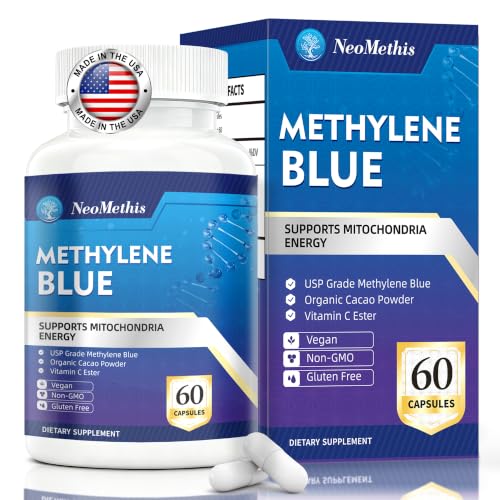
As an Amazon Associate we earn from qualifying purchases. Methylene blue grade matters more than price or color: only USP, BP, or EP pharmaceutical grade is appropriate for human use, and aquarium, histology or industrial dye grades are not substitutes. Ask for a lot-specific third-party certificate of analysis with numerical results covering azure B and heavy metals, since a bare percent-purity figure says nothing about the remaining fraction.


A Note on the Evidence
The evidence base for methylene blue as a nootropic or longevity compound in healthy adults is preliminary — most mechanistic data comes from animal models or small, short-duration clinical studies, and no large randomized controlled trials have established safety or efficacy for non-medical use. Anyone taking prescription medications, particularly antidepressants or antibiotics, and anyone with unknown G6PD status should consult a physician before considering methylene blue in any form. This article is informational only and is not a substitute for individualized medical advice.
Frequently Asked Questions
Why does methylene blue turn urine blue?
Methylene blue is a synthetic dye that is absorbed, partially metabolized to leucomethylene blue, and then excreted primarily through the kidneys. The remaining dye fraction passes into urine and sometimes stool, producing a distinctive blue-green color that can persist for a day or more after a single dose. This discoloration is normal, expected, and not a sign of toxicity or kidney damage.
Can methylene blue cause serotonin syndrome if I am not taking antidepressants?
Methylene blue’s MAO-A inhibition is potent enough that at higher doses it can elevate serotonin even without another serotonergic drug, particularly in individuals who are fast metabolizers or who combine it with serotonin-precursor supplements like 5-HTP or tryptophan. The risk is dramatically amplified by co-administration with prescription serotonergic medications; documented cases of serotonin syndrome involving methylene blue almost universally involve such combinations. If you use any agent that affects serotonin levels — prescription or supplement — treat this interaction as a serious concern.
Is methylene blue used in hospitals?
Yes. Methylene blue has established clinical applications: it is FDA-approved to treat acquired methemoglobinemia from drug or chemical exposure, and it is used off-label in critical care for vasodilatory shock unresponsive to conventional vasopressors, where inhibition of the nitric oxide pathway can help restore vascular tone [3]. Surgical teams also use it as a visual dye to identify parathyroid glands and sentinel lymph nodes — which is precisely the context in which serotonin syndrome cases involving methylene blue were identified.
What dose of methylene blue is safe for a healthy adult seeking cognitive benefits?
There is no universally validated safe nootropic dose established by large clinical trials in healthy adults. Exploratory dosing in the literature ranges from roughly 0.5 to 2 mg/kg, which sits below the paradoxical methemoglobin-generating threshold for G6PD-sufficient individuals not taking serotonergic medications. However, that range cannot be assumed universally safe given individual genetic variation, drug interactions, and the absence of long-term safety data from controlled human studies. Self-dosing without medical supervision carries real and documented risk.
What are the warning signs of a high-dose reaction or overdose?
Symptoms of significant methemoglobinemia include a gray-blue or slate-colored discoloration of the skin and mucous membranes (distinct from the superficial blue tinge of the dye itself), shortness of breath at rest, rapid heart rate, headache, dizziness, and confusion. Cardiovascular instability can develop in severe cases [3]. Serotonin syndrome warning signs include agitation, tremor, rapid or irregular heartbeat, sweating, and high fever. Either presentation warrants immediate emergency medical evaluation — do not attempt to self-manage.
How do I find out if I have G6PD deficiency before considering methylene blue?
G6PD deficiency is confirmed by a blood test measuring red cell G6PD enzyme activity, available through most clinical laboratories and often covered by insurance when clinically indicated. People of Mediterranean, sub-Saharan African, Middle Eastern, or Southeast Asian ancestry are at elevated statistical risk and have a specific reason to test before using methylene blue. A history of unexplained hemolytic episodes or known drug sensitivities to primaquine, dapsone, or nitrofurantoin are also strong signals warranting testing. This is a simple, inexpensive step relative to the severity of the adverse event it prevents.
References
- U.S. Food and Drug Administration. PROVAYBLUE (methylene blue) injection – full prescribing information, Section 10 OVERDOSAGE and Section 2 DOSAGE AND ADMINISTRATION. FDA prescribing information (2024). FDA label (PDF)
- Martindale SJ, Stedeford JC. Methylene blue toxicity following infusion to localize parathyroid adenoma. The Journal of Laryngology and Otology (2006). PMID 16359577
- Bateman RM et al. 36th International Symposium on Intensive Care and Emergency Medicine : Brussels, Belgium. 15-18 March 2016. Critical care (London, England) (2016). PMID 27885969
These statements have not been evaluated by the Food and Drug Administration. This information is not intended to diagnose, treat, cure, or prevent any disease. Content is for informational purposes only and is not medical advice; consult a qualified healthcare provider before starting any supplement. As an Amazon Associate we earn from qualifying purchases.