Methylene blue (methylthioninium chloride) has been in clinical medicine for over a century, approved for intravenous treatment of drug-induced methemoglobinemia and investigated as an antimalarial agent. More recently, a growing nootropic community has adopted very low oral doses based on proposed mitochondrial and cognitive mechanisms—doses far below anything used in clinical settings.
Getting the dose right with methylene blue is unusually consequential. Its dose-response curve is non-linear: low doses may support mitochondrial electron transport and act as antioxidants, while high doses can cause the very toxicity—methemoglobinemia—that low doses are approved to treat. This guide maps the key dosage ranges, their proposed mechanisms, and the safety contraindications that every user must understand before considering any use.
Key Takeaways
- Low-dose nootropic use (roughly 0.5–2 mg/kg orally) targets proposed mitochondrial electron-transport support; FDA-approved clinical dosing (1–2 mg/kg IV) treats drug-induced methemoglobinemia in hospital settings.
- The FDA-approved dose is 1 mg/kg intravenously, and the label states that lower or greater doses are not recommended; adverse effects are documented from single doses of 3 mg/kg, and paradoxical methemoglobinemia from cumulative doses of 7 mg/kg or more[1]—dose precision is medically consequential, not optional.
- Methylene blue is a potent MAOI; combining it with SSRIs, SNRIs, tramadol, linezolid, or other MAOIs creates a life-threatening serotonin syndrome risk.
- G6PD deficiency is an absolute contraindication—affected individuals face severe hemolytic anemia and must not use methylene blue under any circumstances.
- Only USP pharmaceutical-grade methylene blue is safe for human use; aquarium, industrial, and histology-grade products contain toxic heavy metal impurities.
The Inverted Dose-Response Curve: Why Dose Precision Matters
Methylene blue is described as a hormetic compound: its effects at low doses differ qualitatively from its effects at high doses, not simply in magnitude. At low concentrations, methylene blue is proposed to act as an alternative electron carrier in the mitochondrial electron transport chain, shuttling electrons from NADH directly to cytochrome c and supporting Complex I and Complex IV activity. The result, according to this model, is increased ATP synthesis and reduced reactive oxygen species generation from electron leak.
At higher doses the pharmacodynamics invert: methylene blue itself oxidizes hemoglobin to methemoglobin—the same pathological state it reverses at low doses. The FDA label puts mild methemoglobinemia (up to 7%) at cumulative doses of 7 mg/kg or more, and a single dose of 20 mg/kg or more has caused severe intravascular hemolysis, hyperbilirubinemia and death[1]. Understanding this inversion is the single most important concept in any discussion of methylene blue dosage.
The ceiling most often quoted online — 4 mg/kg, said to be the point at which methemoglobinemia begins — is a real number attached to the wrong mechanism, and getting it right makes the guidance stricter rather than looser. It originates in UK National Poisons Information Service advice adopted after a case of methylene blue toxicity at 7.5 mg/kg that produced expressive aphasia, confusion and disinhibition, and in which methaemoglobinaemia was specifically excluded as the cause[2]. It caps neurologic and serotonergic toxicity. The lower limit is what actually binds in practice: the FDA label reports hypotension, wheezing and reduced oxygenation in patients given single doses of 3 mg/kg or more[1].
Low-Dose Nootropic Range: What the Community Uses and Why
The nootropic and longevity communities primarily use methylene blue in an oral dose range of roughly 0.5–2 mg/kg of body weight. For a 70 kg (154 lb) adult, this translates to approximately 35–140 mg per dose. Many practitioners use considerably lower amounts—5–20 mg per session—based on the premise that even sub-pharmacological concentrations may support mitochondrial function with fewer systemic effects.
Proposed mechanisms at these low doses include upregulation of cytochrome c oxidase (Complex IV), increased neuronal glucose metabolism, and scavenging of superoxide radicals. Animal studies have explored the inhibition of tau protein aggregation, which is relevant to neurodegenerative conditions such as Alzheimer’s disease. These proposed mechanisms remain under active investigation; robust randomized controlled trial evidence for cognitive enhancement in healthy adult humans at nootropic doses does not yet exist. Users should treat community-derived dosing protocols as experimental, not established.

FDA-Approved Clinical Therapeutic Dosing
The FDA has approved intravenous methylene blue (available under brand names including ProvayBlue) for the treatment of drug-induced and iatrogenic methemoglobinemia. The standard clinical dose is 1–2 mg/kg of body weight administered intravenously over five to thirty minutes by medical personnel, which may be repeated once after thirty to sixty minutes if the patient does not respond. This is a hospital-based emergency treatment, not a self-administration protocol.
Methylene blue also has a history as an antimalarial agent, used at oral doses historically in the range of 65–130 mg three times daily in combination regimens. Its pharmacological complexity in this context includes interactions with membrane drug transporters: research on P-glycoprotein and antimalarial drugs has demonstrated that P-gp activity influences the bioavailability and tissue distribution of methylene blue, affecting how the drug is absorbed and how it partitions across biological barriers [3]. These pharmacokinetic complexities are one reason methylene blue requires more clinical oversight than its long history might suggest.
Critical Safety Contraindications
Methylene blue is a potent monoamine oxidase inhibitor (MAOI). This creates a serious, potentially fatal risk of serotonin syndrome when combined with any serotonergic drug, including SSRIs (such as fluoxetine, sertraline, or escitalopram), SNRIs (such as venlafaxine or duloxetine), other MAOIs, tramadol, linezolid, and St. John’s Wort. The FDA has issued a formal drug safety communication specifically addressing this interaction. Serotonin syndrome can cause rapid-onset hyperthermia, neuromuscular instability, agitation, and death.
Glucose-6-phosphate dehydrogenase (G6PD) deficiency is an absolute contraindication to methylene blue use. In individuals with this inherited enzyme deficiency—which affects an estimated 400 million people globally and is most prevalent in those of African, Mediterranean, Middle Eastern, and Southeast Asian descent—methylene blue triggers severe hemolytic anemia that can be life-threatening. This is not a precautionary note; it is a hard medical contraindication. Anyone with a personal or family history consistent with G6PD deficiency must be tested before any use.
At overdose levels methylene blue causes methemoglobinemia rather than treating it — the FDA label documents it at cumulative doses of 7 mg/kg or more, with other adverse effects appearing from single doses of 3 mg/kg[1]. That narrow margin above the approved 1 mg/kg dose is the reason why self-administration above low doses is medically inadvisable outside clinical supervision.
Drug Interactions Beyond the Serotonin Axis
Methylene blue’s MAOI activity represents its most acute drug interaction risk, but it is not the only one. P-glycoprotein is a membrane efflux transporter that regulates the absorption and distribution of numerous drugs. Research into methylene blue’s antimalarial applications has examined how P-gp interactions shape its pharmacokinetics—including substrate affinity and inhibition dynamics—demonstrating that methylene blue participates in a broader network of drug transporter interactions [3]. Anyone taking medications processed by drug efflux transporters or cytochrome P450 enzymes should treat combination use as a pharmacokinetic interaction risk.
The practical implication is simple: anyone on prescription medication of any kind—not just antidepressants—should obtain explicit clearance from a physician before using methylene blue, even at doses in the commonly cited nootropic range.
Purity, Grade, and Form: Non-Negotiable Basics
Only USP-grade (United States Pharmacopeia, pharmaceutical-purity) methylene blue is appropriate for human ingestion. Industrial-grade, aquarium-treatment, and laboratory histology-grade methylene blue contain heavy metal impurities—including arsenic—at concentrations that are toxic when consumed. These products are not interchangeable with pharmaceutical-grade material and should never be used by humans regardless of dose.
Oral liquid solutions are the most common self-administration format at nootropic doses, sold as dilute aqueous solutions. Methylene blue’s characteristic intense blue color will transiently turn urine and sometimes saliva blue or green; this is expected and harmless. Capsule formulations exist but may have less predictable absorption characteristics. Intravenous preparations are strictly pharmaceutical products administered by medical professionals.
Methylene blue occupies a legal gray area in the supplement market—it is a pharmaceutical drug, not a dietary supplement, and has no established OTC dose. Any supplier should provide a Certificate of Analysis confirming pharmaceutical-grade purity and absence of heavy metal contaminants. The absence of such documentation is a disqualifying factor.
🛒 Where to Buy Methylene Blue
- Troscriptions Blue CannatineLab-tested / studied
sublingual troches, 4 mg methylene blue + 4 mg nicotine + 50 mg caffeine + 200 mg alpha-GPC per troche — Flagship stacked nootropic troche from Troscriptions (founded by physician Ted Achacoso MD); pharmaceutical-grade MB combined with cholinergic and stimulant cofactors; widely regarded as the benchmark MB product in the nootropic community. Confirm drug interaction checklist before use. - Double Wood Supplements Methylene Blue
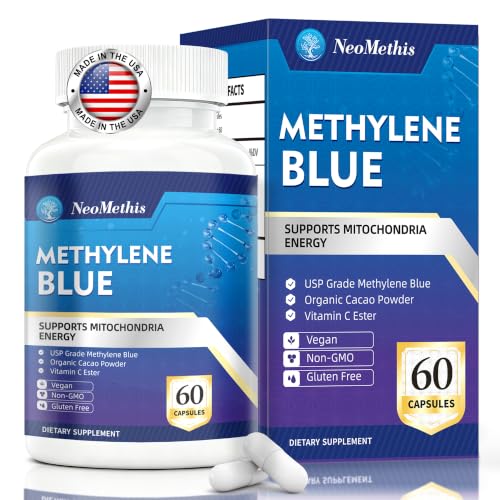
capsules, 5 mg per capsule — Accessible entry-point brand widely available on Amazon; transparent third-party testing; one of the few capsule-form MB products from an established U.S. supplement company; good for low-dose protocols. - Health Natura Methylene Blue USP Solution
liquid, 0.5% solution, approximately 2.5 mg per 5 drops — Long-standing liquid MB brand; clear USP-grade labeling; 0.5% concentration referenced in historical clinical protocols; glass dropper bottle; available on Amazon. - BulkSupplements Methylene Blue Powder
powder, Variable — sold as raw tested powder; requires accurate milligram scale — Lowest cost-per-dose option for experienced users; lab-tested with published COA; not recommended for anyone new to the compound given the critical importance of accurate low-dose measurement.
As an Amazon Associate we earn from qualifying purchases. Methylene blue grade matters more than price or color: only USP, BP, or EP pharmaceutical grade is appropriate for human use, and aquarium, histology or industrial dye grades are not substitutes. Ask for a lot-specific third-party certificate of analysis with numerical results covering azure B and heavy metals, since a bare percent-purity figure says nothing about the remaining fraction.


A Note on the Evidence
The evidence base supporting low-dose methylene blue as a nootropic in healthy humans consists largely of animal studies and small or preliminary trials; no large randomized controlled trial has established cognitive benefit or long-term safety at these doses. This article is informational only and does not constitute medical advice—consult a qualified physician before using methylene blue, particularly if you take any prescription medication, belong to a population with elevated G6PD deficiency prevalence, or have any cardiovascular, hepatic, or renal condition.
Frequently Asked Questions
What is a typical low dose of methylene blue for nootropic use?
The most commonly referenced nootropic range is 0.5–2 mg/kg of body weight taken orally, which for a 70 kg adult equals roughly 35–140 mg. Some protocols use much lower amounts—5–20 mg daily—based on the hypothesis that sub-pharmacological concentrations may still support mitochondrial function. No clinical standard exists for this use; these ranges derive from animal research and community experimentation, not established clinical guidelines.
Can I use methylene blue if I take an SSRI or antidepressant?
No—not without direct physician oversight. Methylene blue is a potent MAO inhibitor. Combining it with any SSRI, SNRI, or other serotonergic drug creates a serious risk of serotonin syndrome, a rapidly escalating and potentially fatal condition. The FDA has issued a formal drug safety communication on this interaction. This is not a general caution; it is a specific, documented drug interaction that has caused patient deaths.

How does P-glycoprotein affect how methylene blue works in the body?
P-glycoprotein is a membrane drug efflux transporter that influences the bioavailability and tissue distribution of many pharmaceutical compounds. Research on methylene blue in antimalarial applications has characterized its interactions with P-gp, including substrate affinity and inhibitory dynamics [3]. These interactions affect how methylene blue is absorbed and distributed, which is part of why its pharmacology is more complex than a straightforward dose-response relationship.
What happens if you take too much methylene blue?
Overdose causes methemoglobinemia—the oxidation of hemoglobin to a form that cannot carry oxygen—which is the condition methylene blue is FDA-approved to treat at 1 mg/kg. The FDA label documents mild methemoglobinemia (up to 7%) at cumulative doses of 7 mg/kg or more, hypotension, wheezing and reduced oxygenation from single doses of 3 mg/kg or more, and severe intravascular hemolysis, hyperbilirubinemia and death at a single dose of 20 mg/kg or more[1]. Symptoms include cyanosis (blue-gray skin), shortness of breath, rapid heart rate, and potential organ damage from oxygen deprivation. This is a medical emergency requiring immediate clinical treatment.
Who should absolutely never use methylene blue?
People with G6PD deficiency must never use methylene blue; it triggers severe, potentially fatal hemolytic anemia in this population. Anyone taking serotonergic medications—SSRIs, SNRIs, other MAOIs, tramadol, or linezolid—should not use methylene blue without explicit physician clearance due to the serotonin syndrome risk. Pregnant and breastfeeding individuals should also avoid it given the absence of safety data in those populations.
Why does the grade or purity of methylene blue matter so much?
Industrial, aquarium, and laboratory-grade methylene blue are manufactured for non-human applications and contain heavy metal contaminants, including arsenic, at concentrations that are harmful when ingested. Pharmaceutical USP-grade methylene blue undergoes purity testing specifically for human use. Using non-pharmaceutical grades at any dose is not a question of getting a slightly lower-quality product—it is exposure to a different and toxic substance entirely.
References
- U.S. Food and Drug Administration. PROVAYBLUE (methylene blue) injection – full prescribing information, Section 10 OVERDOSAGE and Section 2 DOSAGE AND ADMINISTRATION. FDA prescribing information (2024). FDA label (PDF)
- Martindale SJ, Stedeford JC. Methylene blue toxicity following infusion to localize parathyroid adenoma. The Journal of Laryngology and Otology (2006). PMID 16359577
- Senarathna SM et al. The Interactions of P-Glycoprotein with Antimalarial Drugs, Including Substrate Affinity, Inhibition and Regulation. PloS one (2016). PMID 27045516
These statements have not been evaluated by the Food and Drug Administration. This information is not intended to diagnose, treat, cure, or prevent any disease. Content is for informational purposes only and is not medical advice; consult a qualified healthcare provider before starting any supplement. As an Amazon Associate we earn from qualifying purchases.