Top Picks
These are the products we currently recommend, chosen from what we have reviewed across the site. Each pick lists what it is good for and who it suits, so you can match one to your situation rather than defaulting to the cheapest listing.
As an Amazon Associate we earn from qualifying purchases. This does not change what you pay.

Sold on purity and supply length rather than on a stated per-serving dose, which is the gap to close before buying: 99% purity tells you what the powder is, not how much of it you are getting. Check the label for the milligram figure per serving, and treat the four-month framing as a bulk-price argument rather than a dosing recommendation.

The cheapest way into pharmaceutical-grade liquid, and a 2 oz bottle lasts a long time because the per-serving amount is measured in drops. Liquid is the format that lets you start genuinely low and work up, which capsules cannot do. The trade-off is real: it stains teeth, tongue, counters and clothing, so plan on a dedicated glass and a rinse.

At 30 mg a capsule this is the highest per-serving strength on this page, sold as a 90-day supply. A capsule cannot be split, so this is the wrong pick if you want to begin at a low amount and adjust; it suits someone who has already settled on a higher serving and wants to stop reordering every month.

A 12 mg capsule in a 60-count bottle, which lands in the middle of the range these products are sold at and runs two months at one a day. Capsules remove the dosing and staining mess of drops entirely, at the cost of any ability to adjust the amount.
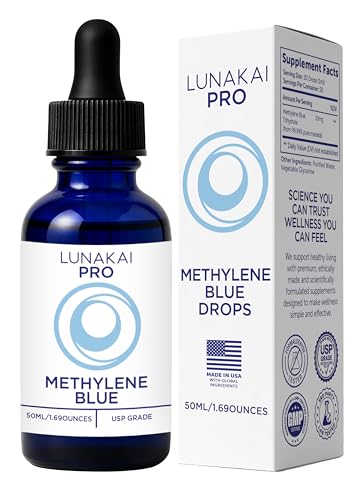
Pharmaceutical-grade drops at the lower end of the price range, made in the USA. The listing states the grade but does not publish a per-drop milligram figure, so you are trusting the label rather than working from a stated number. Ask the seller for a batch certificate of analysis if exact dosing matters to you.

A 1% solution with the per-serving amount stated at 10 mg, which is the detail most drop products leave out. The formaldehyde-free claim points at residual synthesis solvents rather than the dye itself, and that is exactly the category of impurity that separates material made for people from material made for aquariums.